School sound insulation: creating quiet, focused learning environments.
Why keeping unwanted noise out really matters.
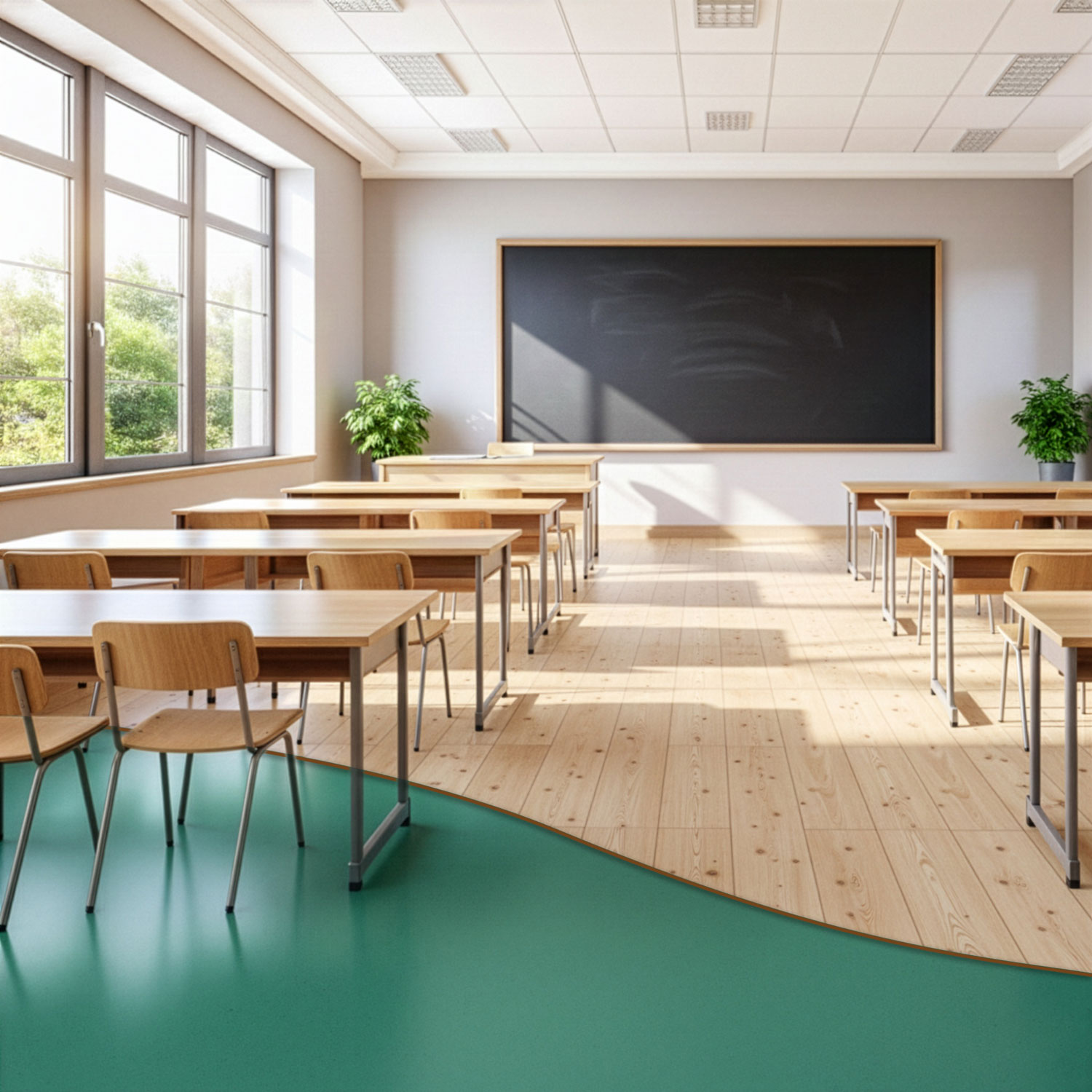
The quality of listening directly affects the quality of learning. Proper acoustic insulation in schools protects attention, well-being, and educational outcomes — especially where classrooms and laboratories are located next to gyms, busy corridors, or noisy outdoor areas.
Unwanted noise: where it comes from and how it reaches the classroom.
Noise can originate from multiple sources and easily spread through building structures:
Adjacent or lower-level gyms
impacts, dropped weights, loud music.
Corridors and shared spaces
constant foot traffic, slamming doors, crowding at entrances.
Outdoor areas
road or rail traffic, courtyards, loading and unloading zones.
Building systems
HVAC units, compressors, pumps — vibrations and background noise transmitted through the structure.
The strategy.
To protect classrooms, the goal is to minimise sound transmission between spaces by using effective sound insulation solutions for both walls and floors.
Wall sound insulation: stopping noise at the source.

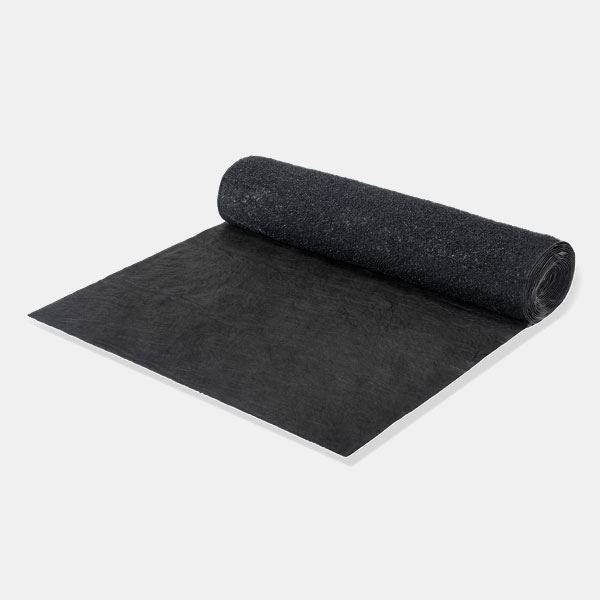
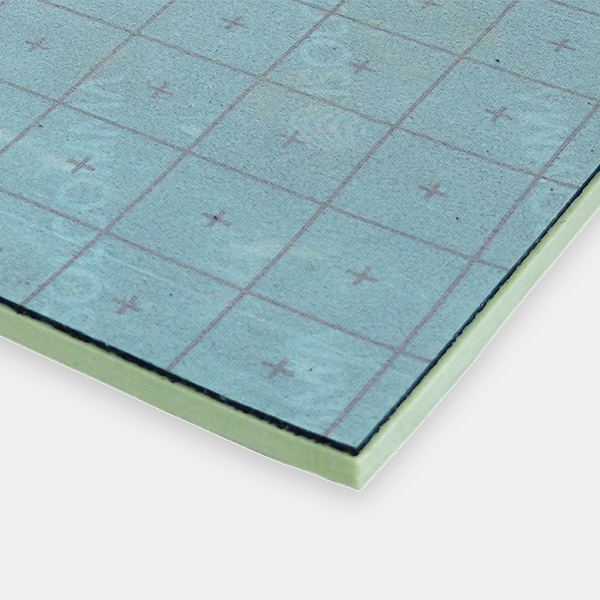
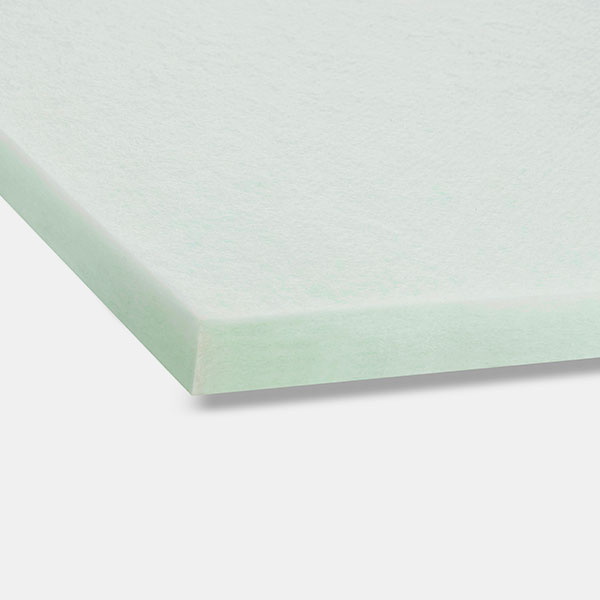
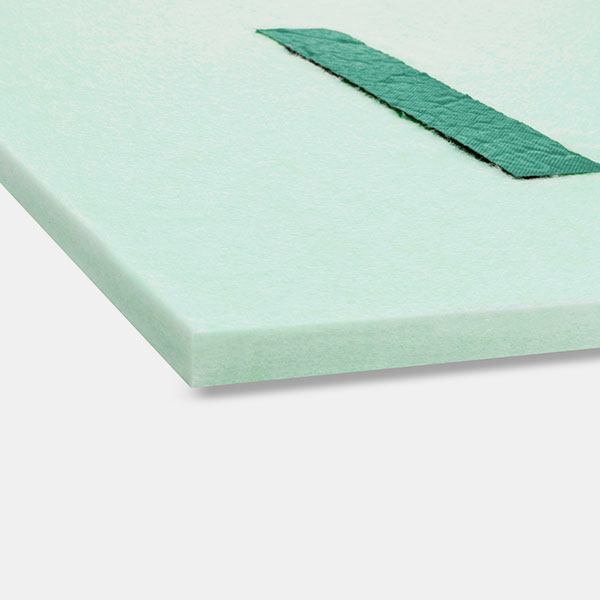
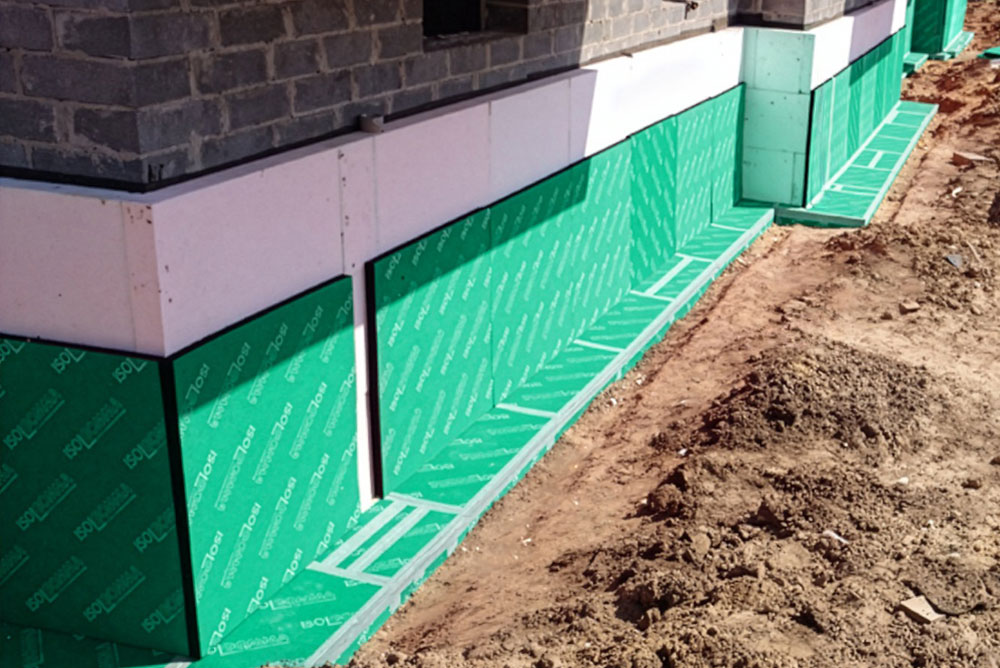
Soundproofing walls that separate classrooms from gyms, corridors, or technical rooms requires decoupled construction systems: dry wall structures, high-performance resilient layers, double linings, and careful sealing around sockets and service penetrations.
This approach breaks acoustic bridges and significantly reduces noise transmission between adjacent spaces.
Floors and gyms: how to reduce impact noise.
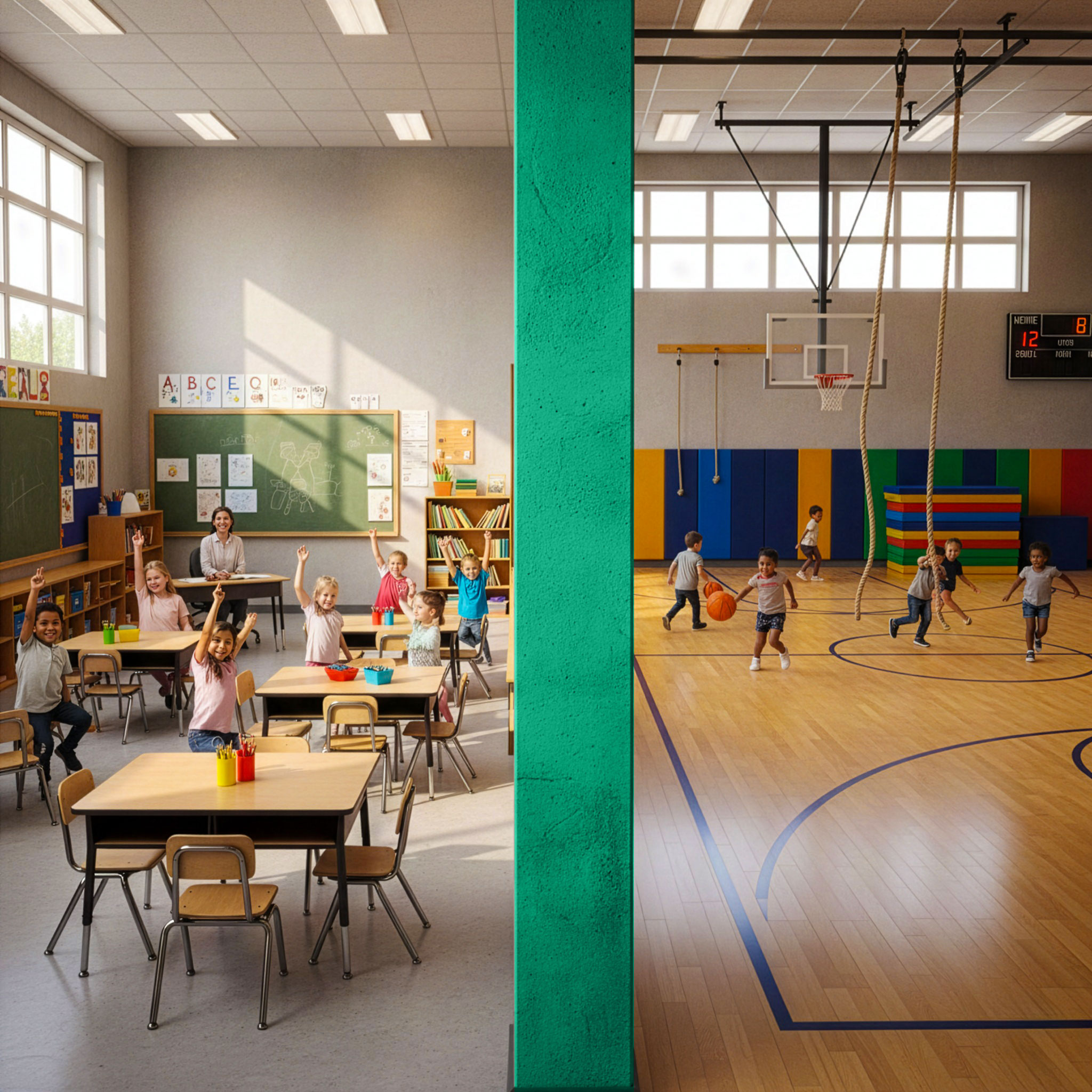
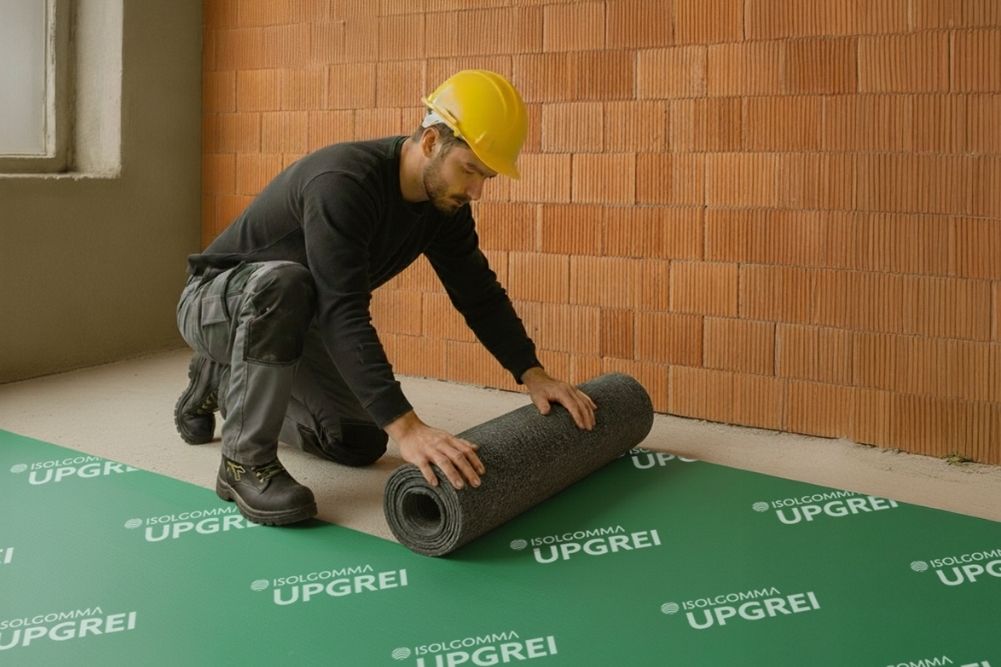
When a gym is nearby, the floor becomes a critical filter. Resilient layers beneath the screed or high-performance floating floor systems help insulate impacts, dragging noises, and vibrations that would otherwise travel directly into classrooms.
Soundproofing works only when details are done right.
Doors, openings, and service penetrations matter. High-performance doors, continuous seals, tight thresholds, and properly sealed sockets and plant penetrations are essential. There must be no rigid connections between walls and structural elements. This is where decibels are truly won — or lost.
The Isolgomma method for school acoustic insulation.
Acoustic assessment and priorities
identifying the most disruptive noise sources.
Perimeter solutions
sound insulation for walls separating classrooms from noisy areas.
Floors and vibration control
resilient layers under screed or floating systems where required.
Detail management
sealing, service penetrations, doors.
On-site verification
targeted checks to measure real acoustic improvement.