Floating floors and acoustic insulation:
the solution for office environments.
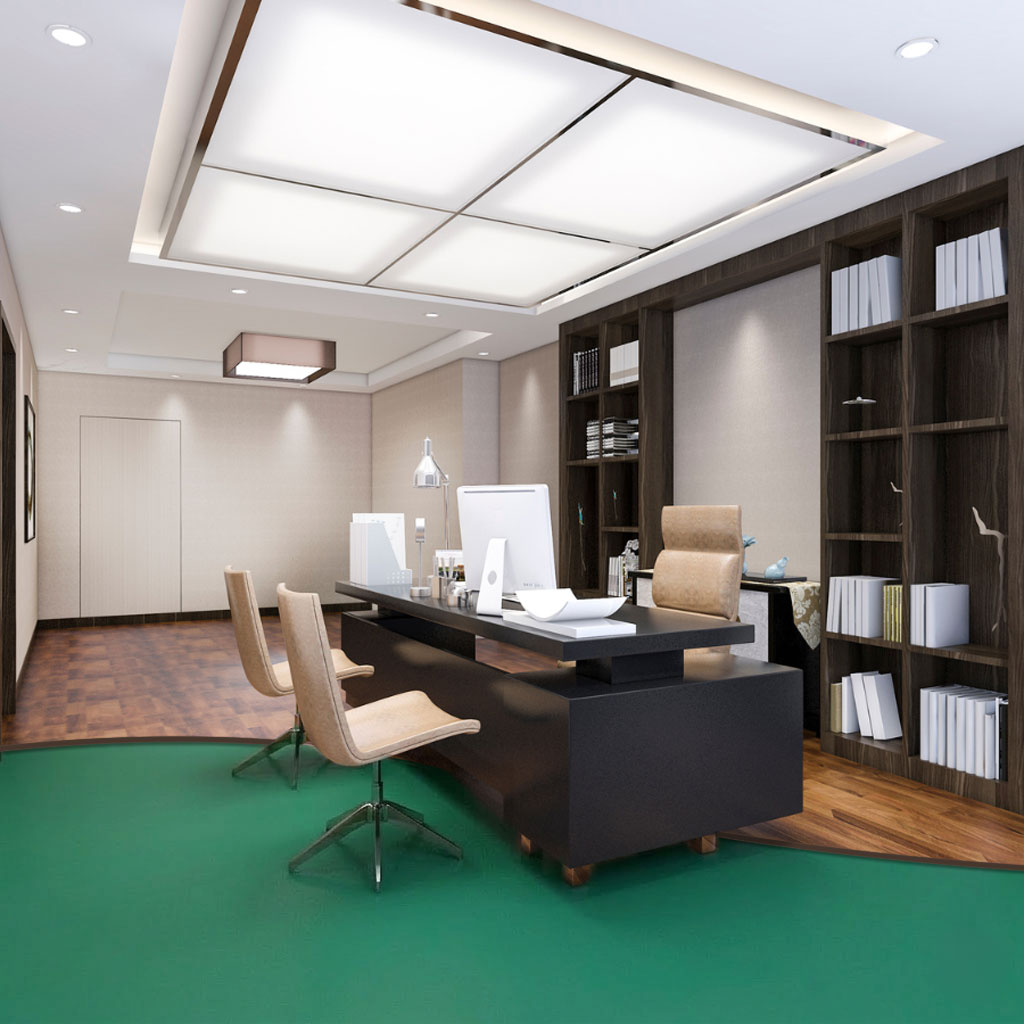
Acoustic insulation for floating floors: why it really matters.
“In offices, the floor is always in use. Footsteps in hallways, chairs sliding, people moving in and out of meeting rooms — every movement creates impact noise. When the flooring system is not properly designed, that noise travels through the structure and reaches neighbouring rooms or the floor below.
That’s why acoustic insulation for floating floors is so important. Working on the floor means tackling noise at its source and making a real difference to the everyday comfort of the people who use the space.”
Floating floor and raised floor.
“In everyday language, floating floor and raised floor are often used to describe the same type of solution. In both cases, the idea is a flooring system designed to reduce noise transmission and improve the acoustic comfort of a space.
What really matters is the result: a walking surface that can dampen impact noise and make working environments quieter.”
The strategy.
In office environments, choosing a good finish is not enough. What’s needed is a floating flooring system that is part of the acoustic design of the space. Its role is simple but essential: to limit the spread of noise from one area to another and reduce the disturbance created by everyday office use.
When the system is properly designed, the improvement in comfort is clear. Spaces feel neater, meeting rooms offer more privacy, and offices become more pleasant places to work throughout the day.
Stopping noise where it starts.
This is the main advantage of a floating floor: impact noise is reduced before it can spread through the structure. Footsteps, light furniture movement and small knocks become less intrusive and reach nearby areas in a much more controlled way.
In an office setting, that means less disturbance between neighbouring rooms, greater privacy in executive spaces, and a stronger overall sense of quality throughout the building.
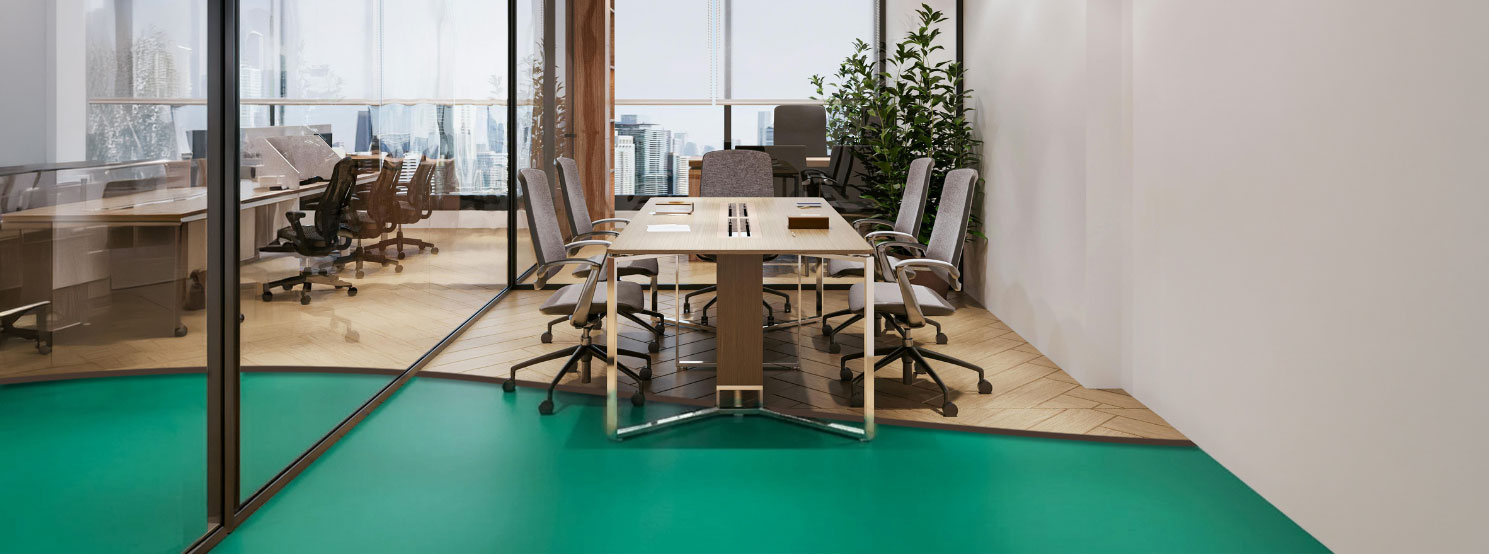
Designing a floating flooring system that truly works.
A floating flooring system performs well when it is chosen according to how the space is actually used. An open-plan office, a reception area, a meeting room and a private executive office do not have the same requirements. Loads vary, traffic patterns vary, the amount of noise generated varies, and so do expectations in terms of comfort.
Installation matters too. The continuity of the system, the care taken with joints and perimeter details, and attention to every construction detail all make a real difference. This is where a theoretically good solution becomes a genuinely effective one.
The main solutions.
In office environments, a floating floor can be designed in different ways depending on the context and the project constraints. Some solutions are more suitable for new buildings, others are designed for renovation projects, while others are intended for cases where reduced thickness or higher performance is required.
The goal, however, always remains the same: to turn the floor into an active element of acoustic comfort.
The benefits in office environments.
A well-designed floating floor offers immediate and noticeable benefits:
Less impact noise
and less disturbance between adjacent spaces
Greater privacy
in offices, meeting rooms and shared areas
Higher comfort
for the people who use the space every day
Reliable performance
over time
The Isolgomma solution for your project.
We can develop for you acoustic insulation solutions for floating floors designed to adapt to different project conditions and requirements. In office environments, this means creating spaces that are quieter, more professional and more enjoyable to use every day — treating the floor not as a simple finish, but as a real contributor to comfort and overall quality.