Luxury hotels: when acoustic comfort becomes part of the premium experience
Privacy, silence and restful sleep: why acoustic design is essential to high-end hospitality.
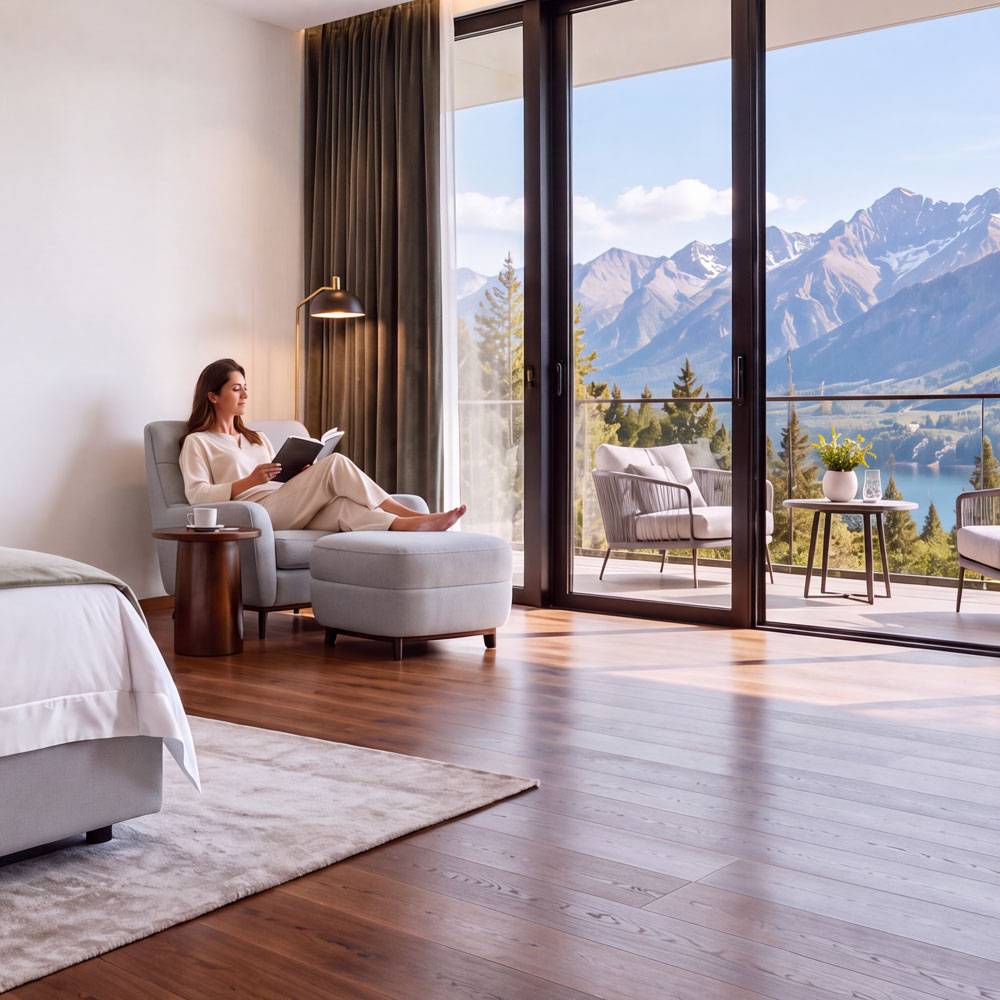
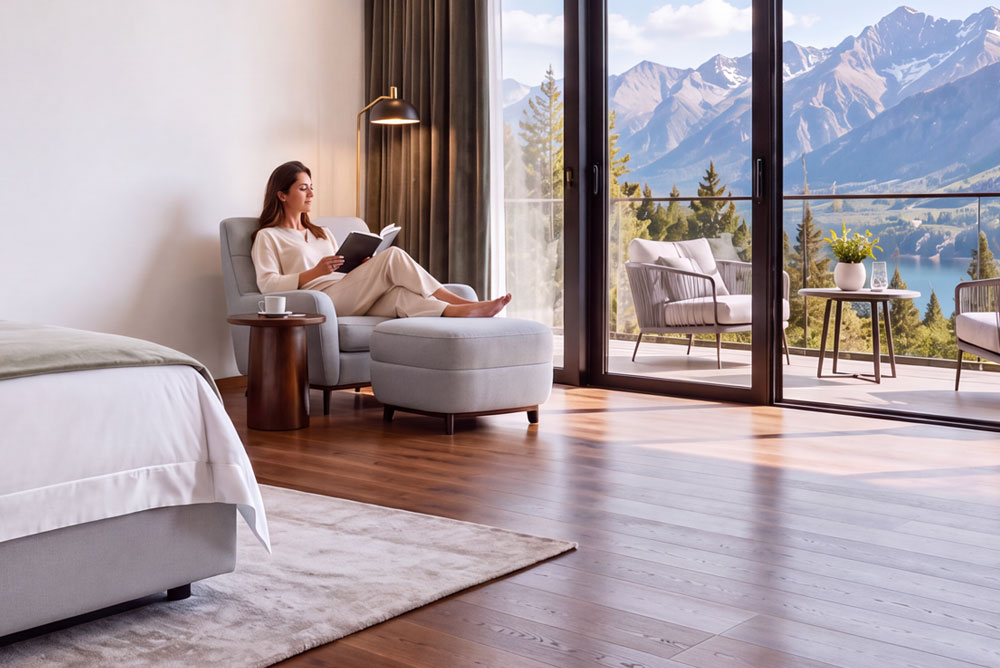
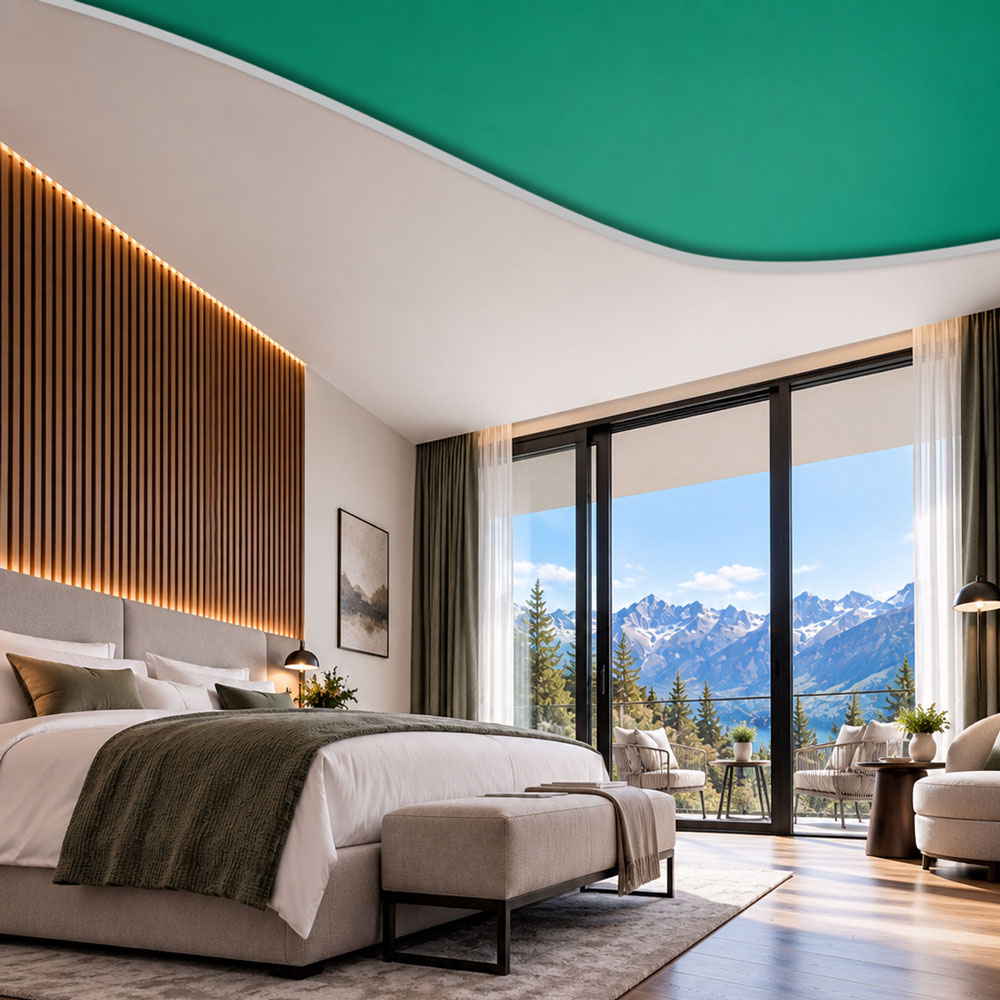
In high-end hotels, comfort is about more than design, services and the quality of the furnishings. A guest who chooses a luxury property expects to find a private, quiet environment in their room where nothing happening outside can disturb their rest. A conversation drifting through the wall, footsteps on the floor above or the constant hum of a mechanical system is enough to undermine the sense of exclusivity that has been so carefully created.
Acoustic comfort in luxury hotels is therefore an integral part of the premium experience: it goes unseen, yet its absence is noticed immediately. Noise is in fact one of the most frequently cited complaints in negative reviews, even at the most prestigious properties.
The main acoustic challenges in a luxury hotel
Designing truly quiet spaces begins with identifying the different sources of noise and the paths along which it travels through the building.
Acoustic Comfort Standards for Luxury Hospitality
Hospitality facilities should ensure adequate acoustic performance based on the characteristics of the building, the intended use of the spaces, and the requirements established in the country where the property is located.
Requirements and reference values may vary depending on local regulations and the standards adopted for the project.
For a luxury hotel, however, simply meeting minimum requirements is often not enough. Guest expectations frequently call for higher acoustic performance, capable of ensuring privacy, quality rest, and a level of comfort consistent with the positioning of the property.
For this reason, integrating acoustic comfort from the earliest design stages means not only preventing potential issues, but also contributing to the overall quality of the guest experience and to the long-term value of the property.
Isolgomma solutions for acoustic comfort in hotels
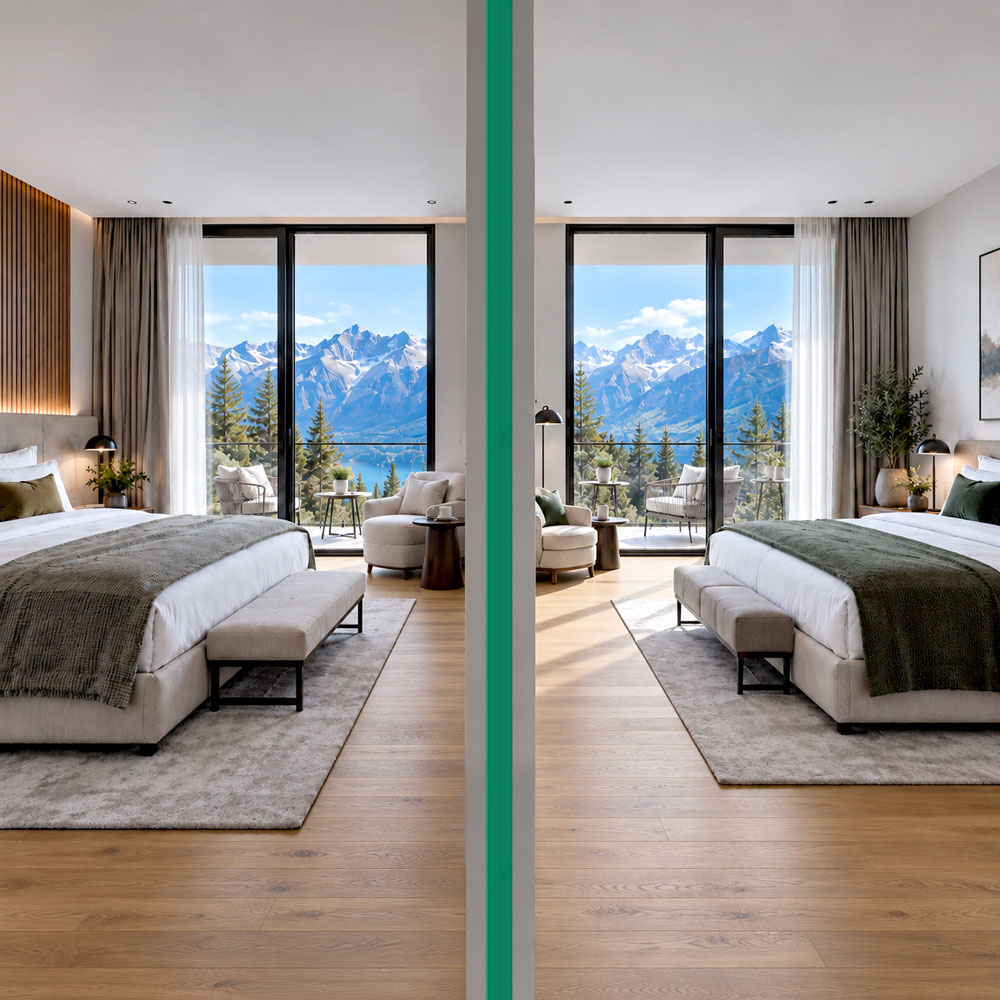


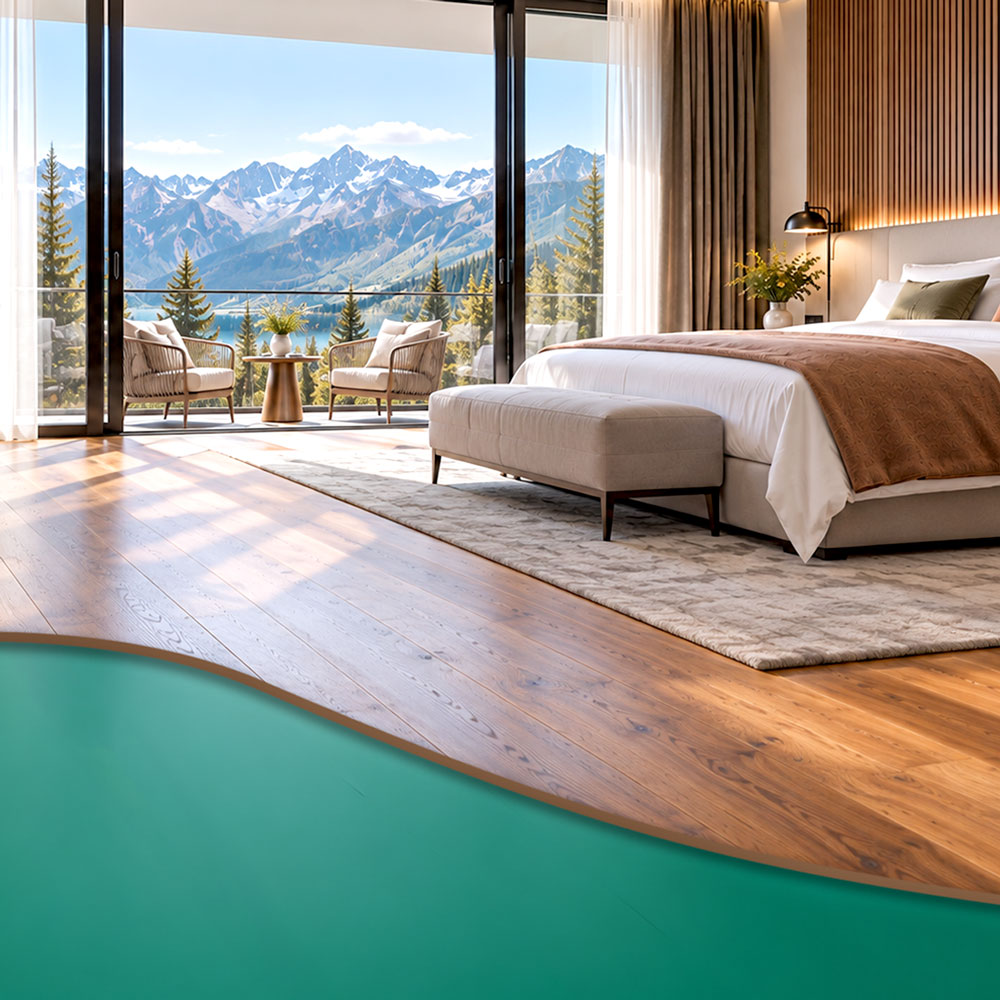
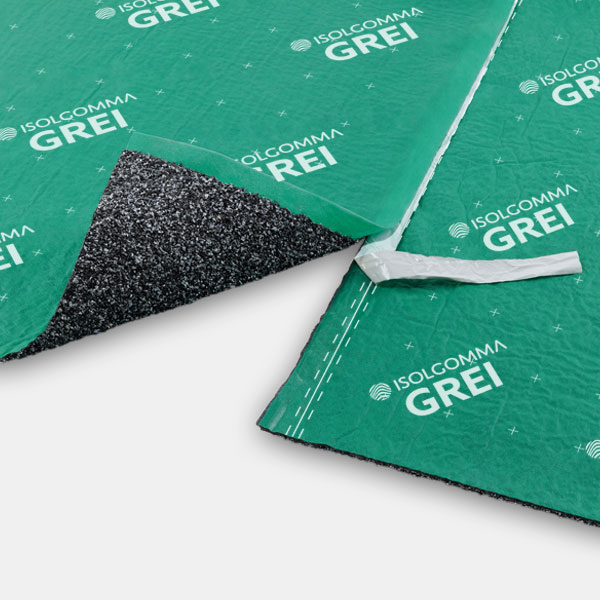
Impact noise insulation under screed and under floor
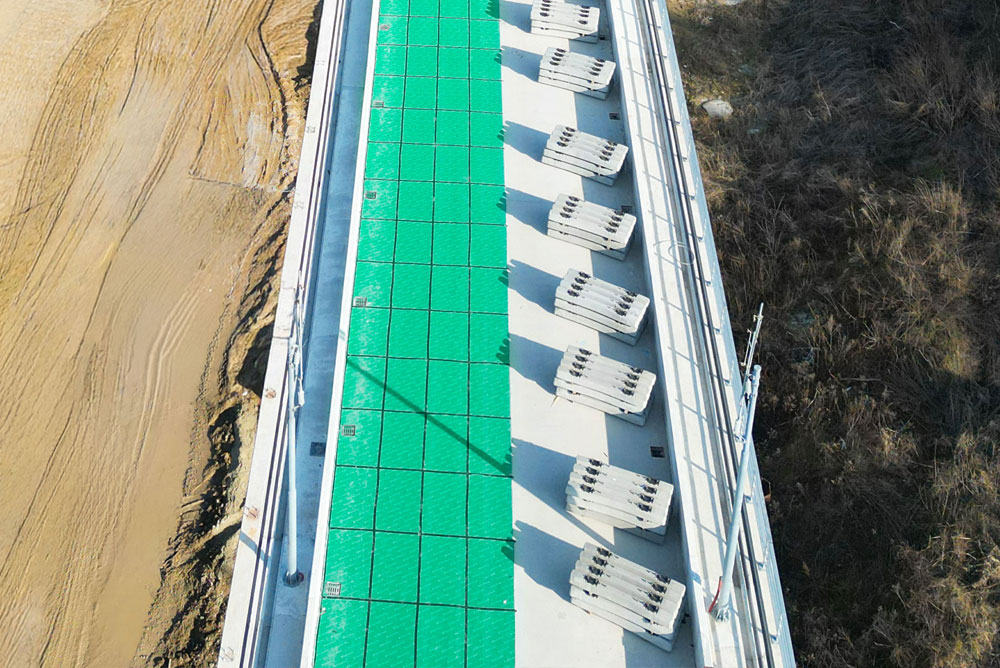
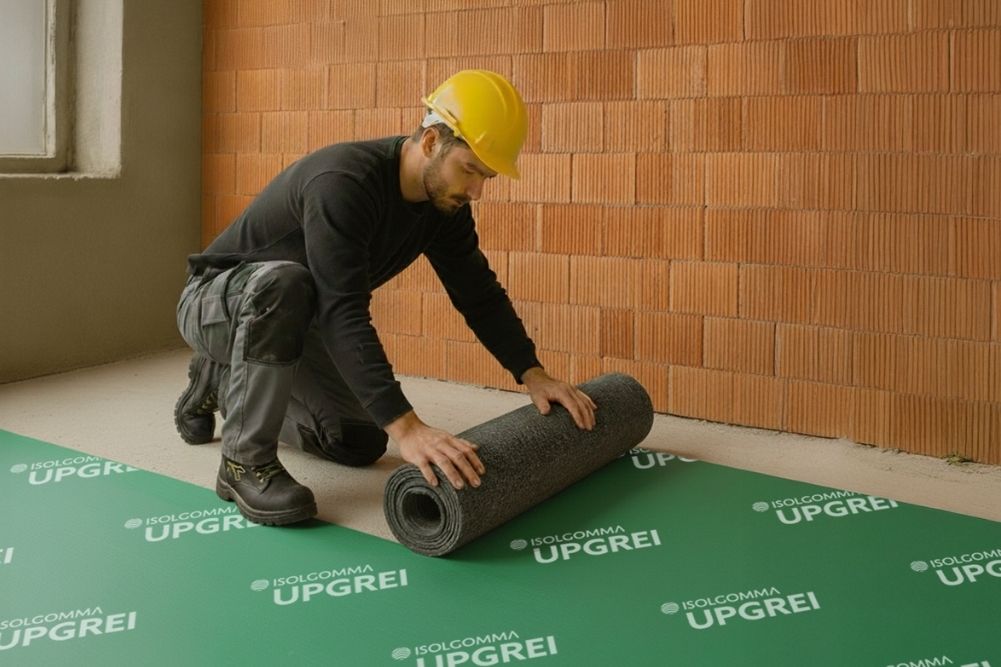
In new builds and major renovations, under-screed resilient layers create a floating floor that limits the transmission of impact noise to the floors below. In refurbishments where the existing screed cannot be removed, under-floor solutions improve performance even at minimal thickness, and are compatible with ceramic, stone and wood finishes.



Vibration control for building services
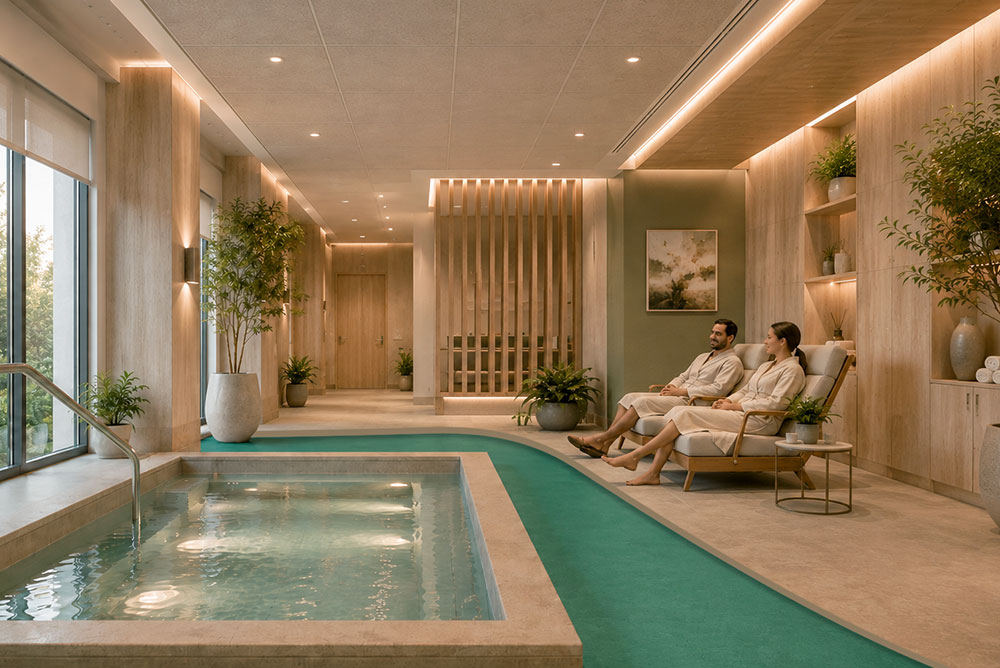
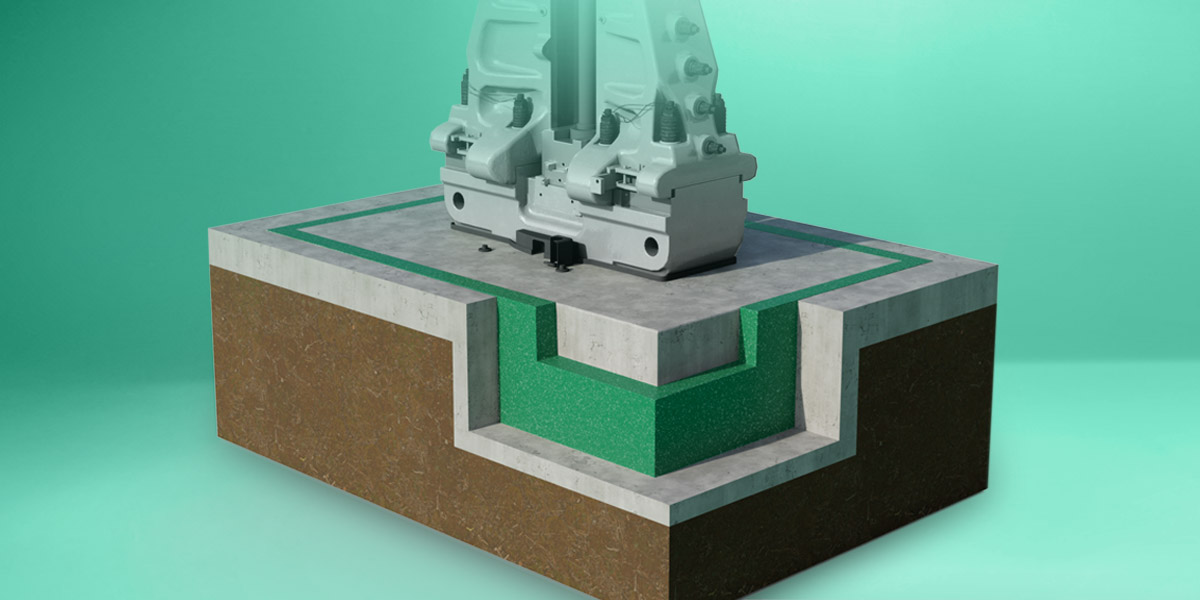
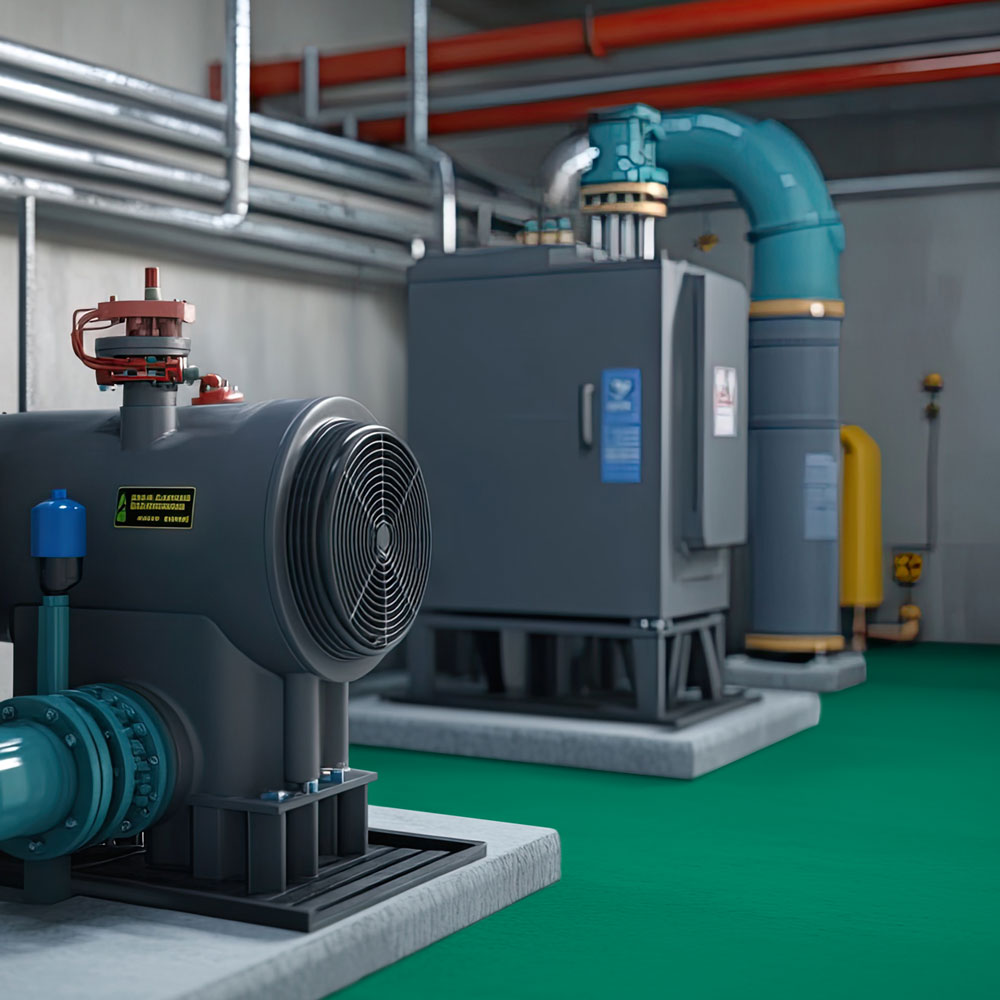
Isolating machinery and technical systems at the source, using anti-vibration mounts, inertia bases and resilient bearings, prevents vibrations from spreading through the structure and reaching guest rooms. For spas and gyms, Special Floating Floor systems contain the impact noise and vibrations generated by the activities.


Silence as an investment in reputation
In a segment where every detail shapes brand positioning, acoustic comfort has a direct impact on the quality of the stay, on reviews and on guest loyalty. Considering it from the design stage, or including it in a renovation project, delivers better results at a lower cost than correcting problems later. True luxury lies not only in what guests see, but also in what they don’t hear.
If you are considering work on an existing property, read our article on how hotel renovation is an opportunity to improve acoustic comfort.