Acoustics in Medical Centers and Clinics: Comfort, Privacy, Health
Why silence is part of the care: how to protect patient privacy, ensure acoustic comfort and meet building acoustics requirements in clinics and medical centers.
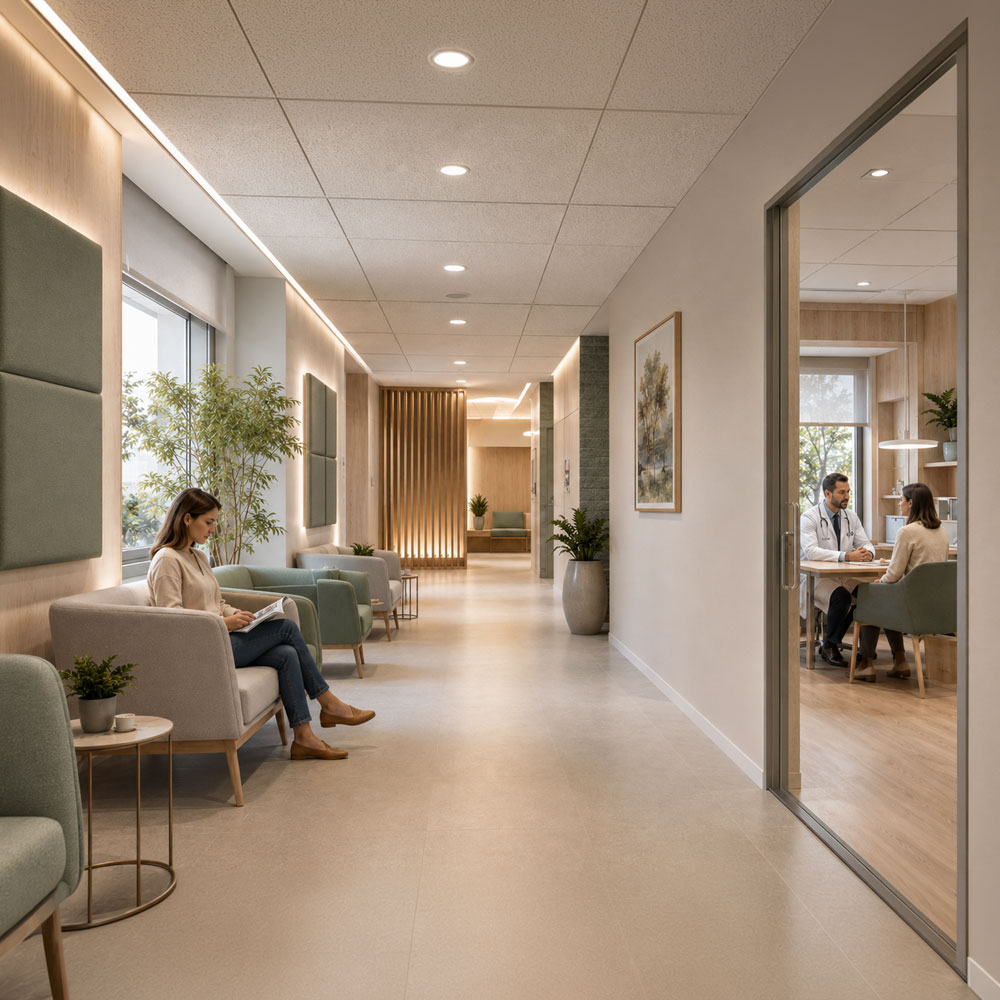
In a medical center or outpatient clinic, noise is never just a nuisance. It affects the quality of the visit, the patient’s right to privacy and, in some cases, even the accuracy of a diagnosis.
Crowded waiting rooms, consulting rooms separated by simple plasterboard partitions, corridors that amplify every footstep and every voice: without proper sound insulation, these spaces can quickly become noisy, poorly private and perceived as less professional.
Acoustics in medical centers is therefore about three closely connected dimensions: the comfort of patients waiting to be seen, the privacy of those confiding in their doctor, and health, understood as the overall psychophysical wellbeing of patients and healthcare staff who spend their working day in these environments.
The most common acoustic issues in healthcare facilities
Before looking at solutions, it’s worth understanding where noise in a medical center actually comes from.
Isolgomma solutions for acoustics in medical centers and clinics

Partition walls between rooms: where privacy starts
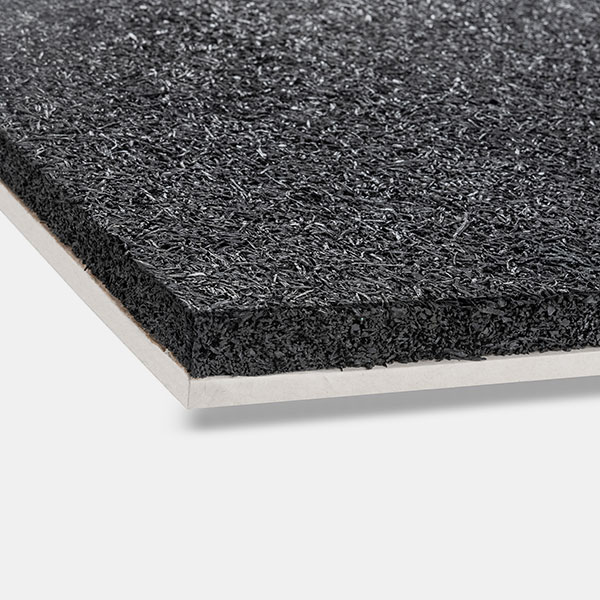
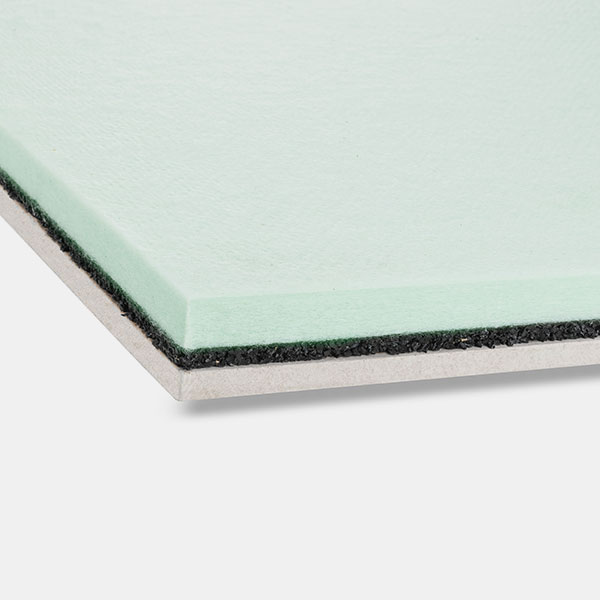
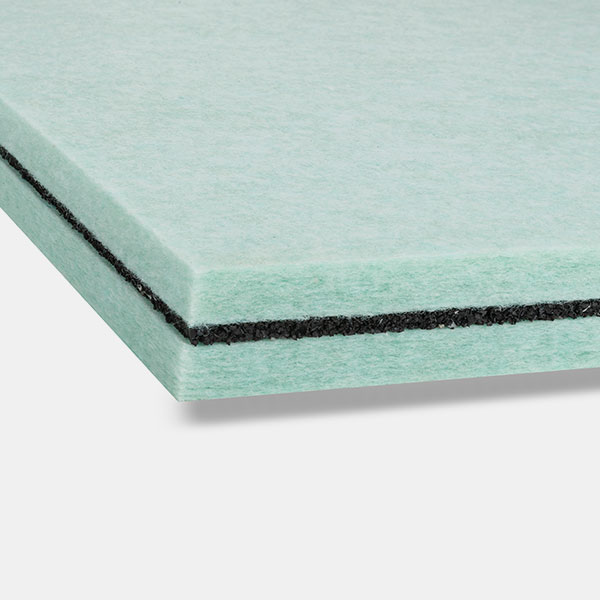
To ensure real conversational privacy, a partition wall needs to be designed as a system, not just a single panel. Our wall sound insulation solutions apply to single, double, plasterboard or metal-frame partitions, significantly increasing sound reduction performance without requiring excessive thickness – a key factor in clinics, where every square metre counts.

Sound-insulating ceilings for waiting rooms and corridors
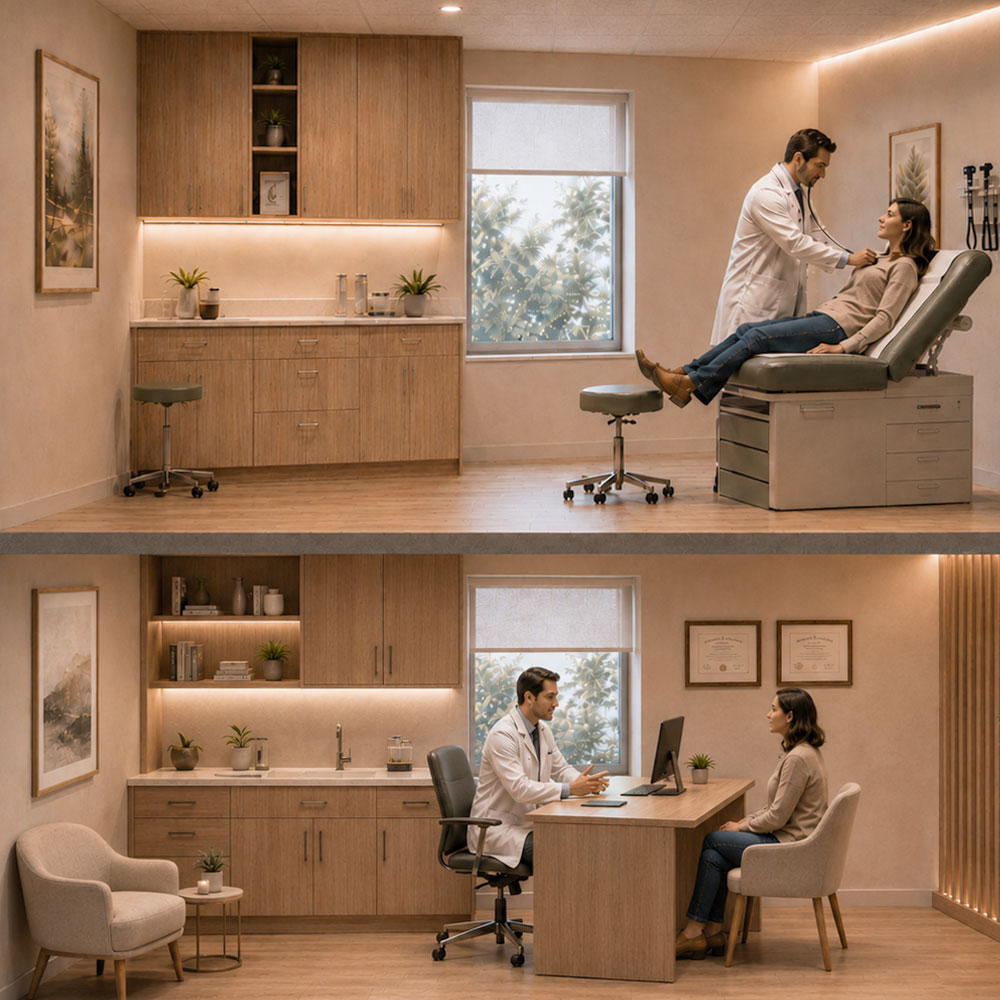
Noise from upper floors, including footsteps, voices and everyday activities, can travel through the floor structure and disturb the spaces below. Isolgomma solutions for direct or suspended ceilings help reduce both impact and airborne noise, improving acoustic comfort for patients, healthcare professionals and reception staff.

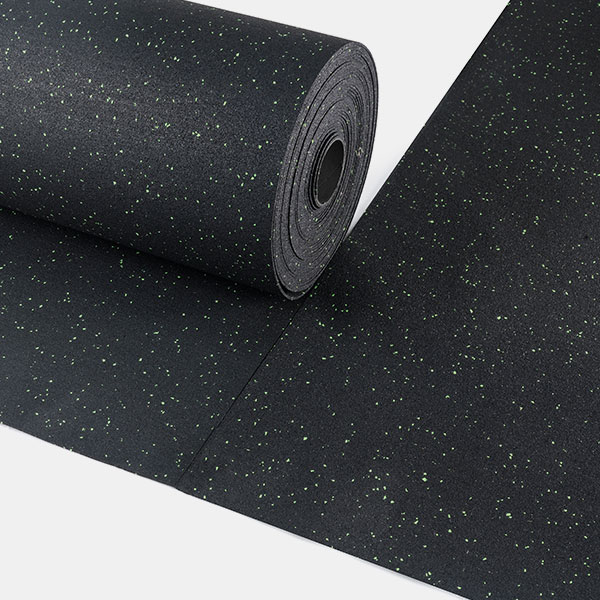
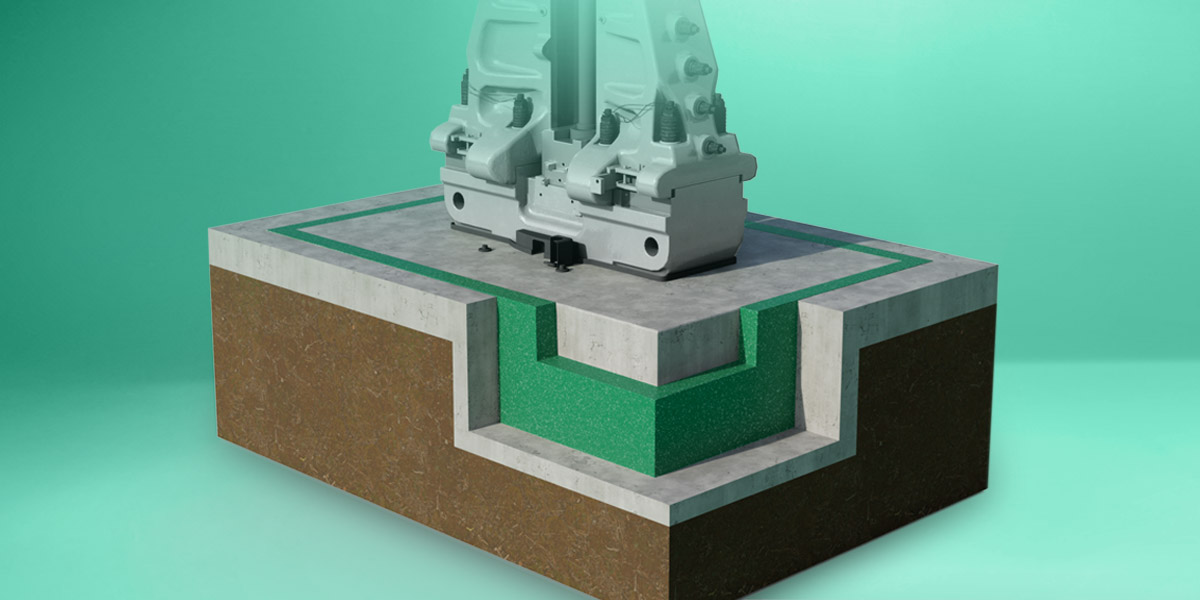
Impact noise and vibration isolation between floors
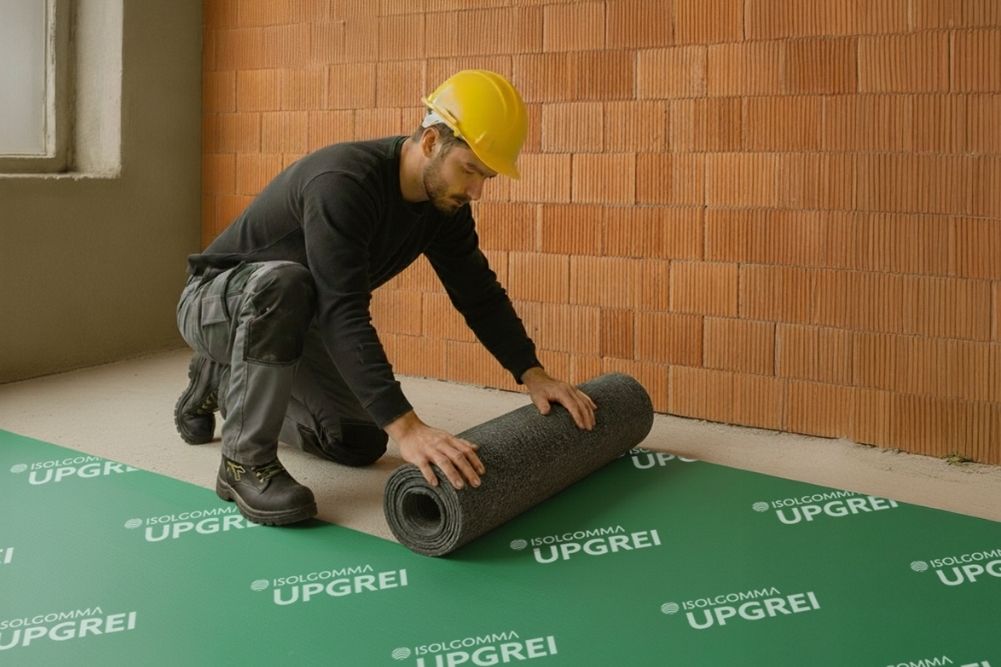
In multi-storey clinics, under-floor and under-screed sound insulation helps contain the transmission of impact noise to the rooms below. For renovations, where working on the screed isn’t possible, SYLCER improves acoustic performance even at reduced thickness.