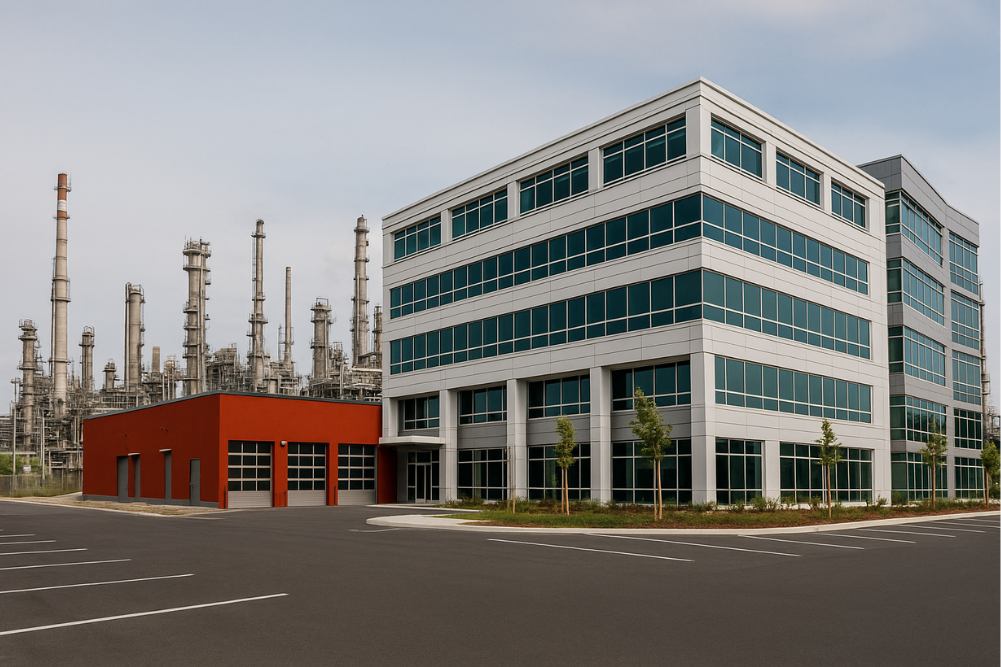
Anti-vibration solutions for buildings:
how to protect comfort, structure and well-being.

Anti-vibration systems for buildings: what they are really for.
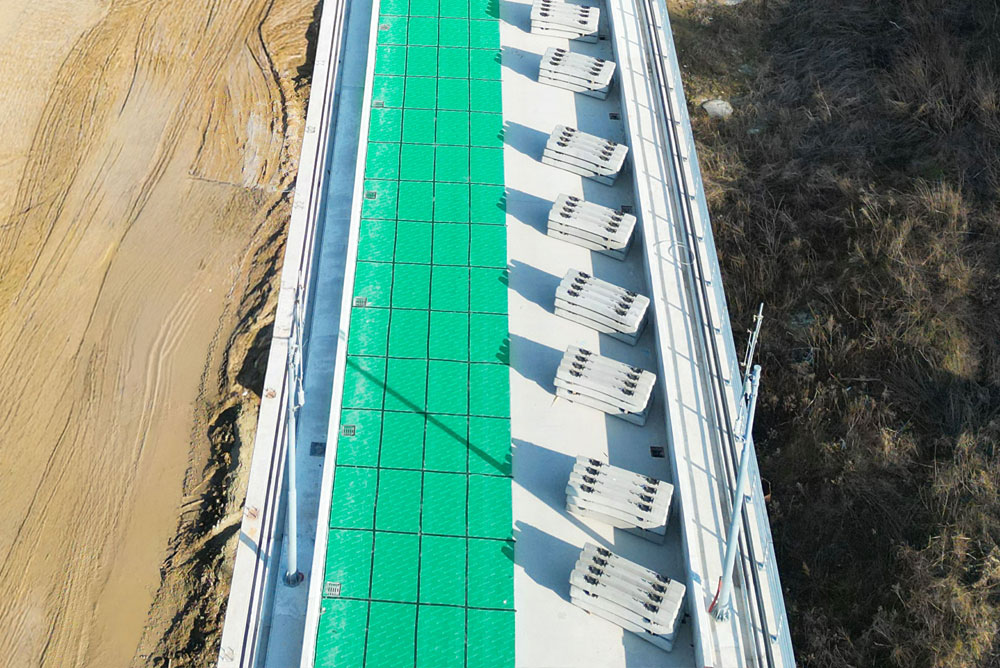
In the construction sector, talking about anti-vibration systems means talking about real, everyday comfort. A building may be located near a railway line, a busy road or an industrial area. In all these cases, vibrations travel from the ground into the structure and can eventually reach the indoor spaces. Isolgomma’s anti-vibration solutions for buildings are designed precisely to reduce vibrations coming from railway lines, busy roads and industrial plants, significantly improving comfort and people’s quality of life.
Rubber anti-vibration systems: why they are an effective solution.
Rubber anti-vibration systems work by introducing an elastic layer between the ground and the structure. This layer helps filter vibrations before they can spread through the building. In practical terms, the building is decoupled from the ground and becomes less exposed to external vibrations. This is exactly the principle behind Isolgomma’s vibration control solutions for construction.
Insulation works in both directions: not only does it protect the building from external vibrations, but it also prevents any vibrations generated inside it from being transmitted to the surrounding environment.
The three main anti-vibration solutions for buildings.
There are three main solutions for construction, and they vary depending on the characteristics of the building and the most appropriate intervention methods.
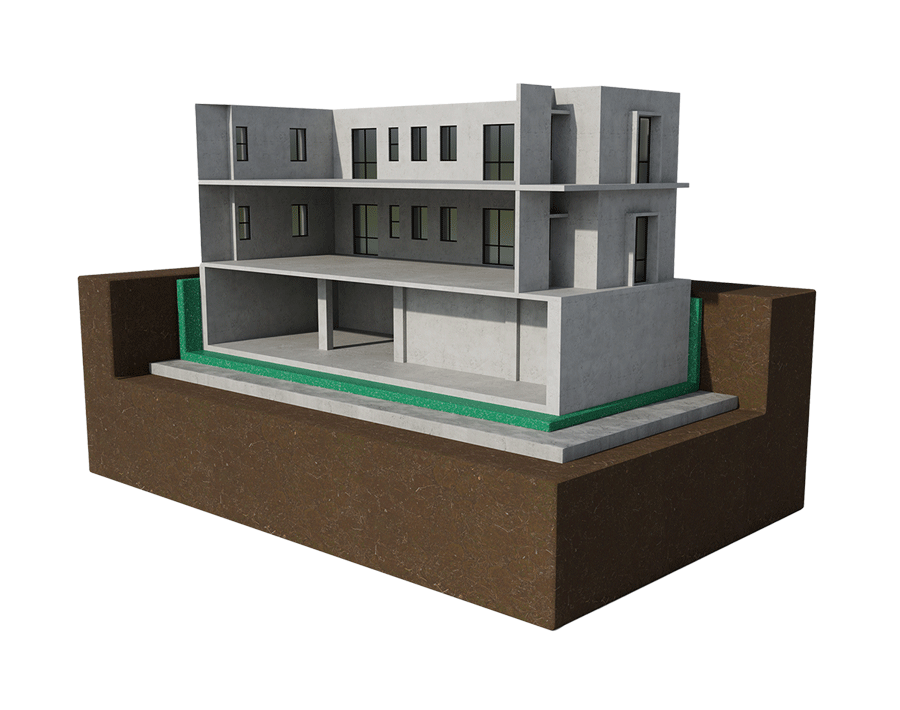
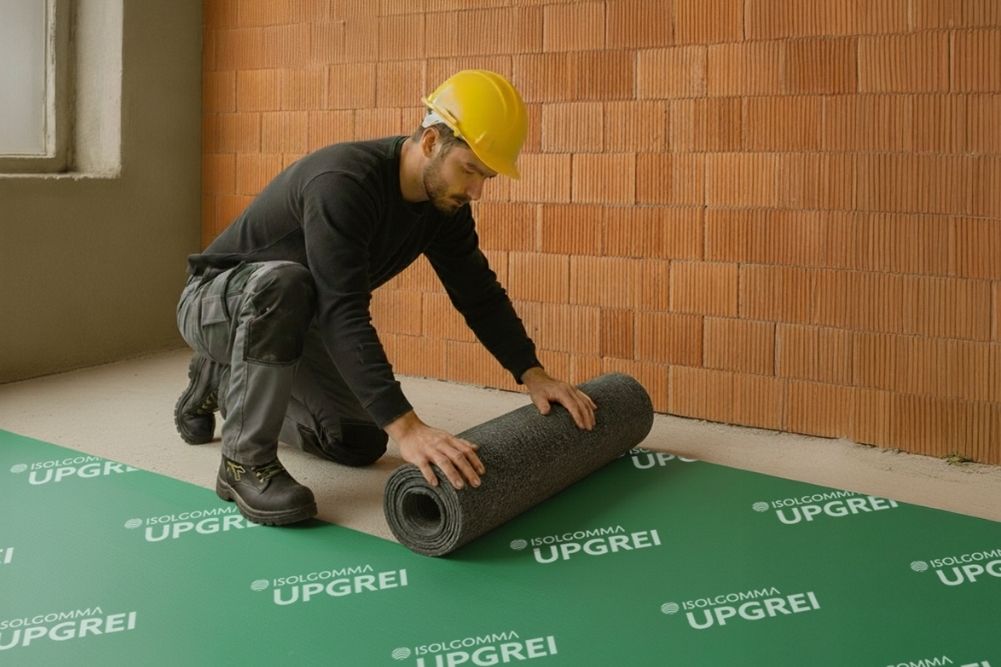
FOUNDATION SLAB INSULATION
suitable for buildings with large support surfaces. Anti-vibration materials are placed between the slab and the ground to protect the entire structure.
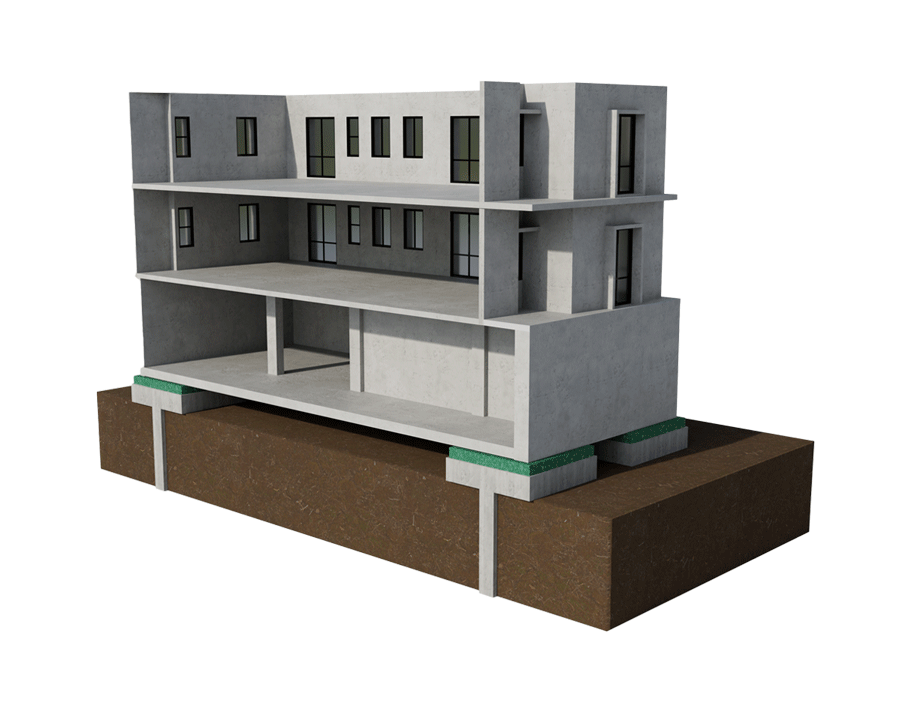
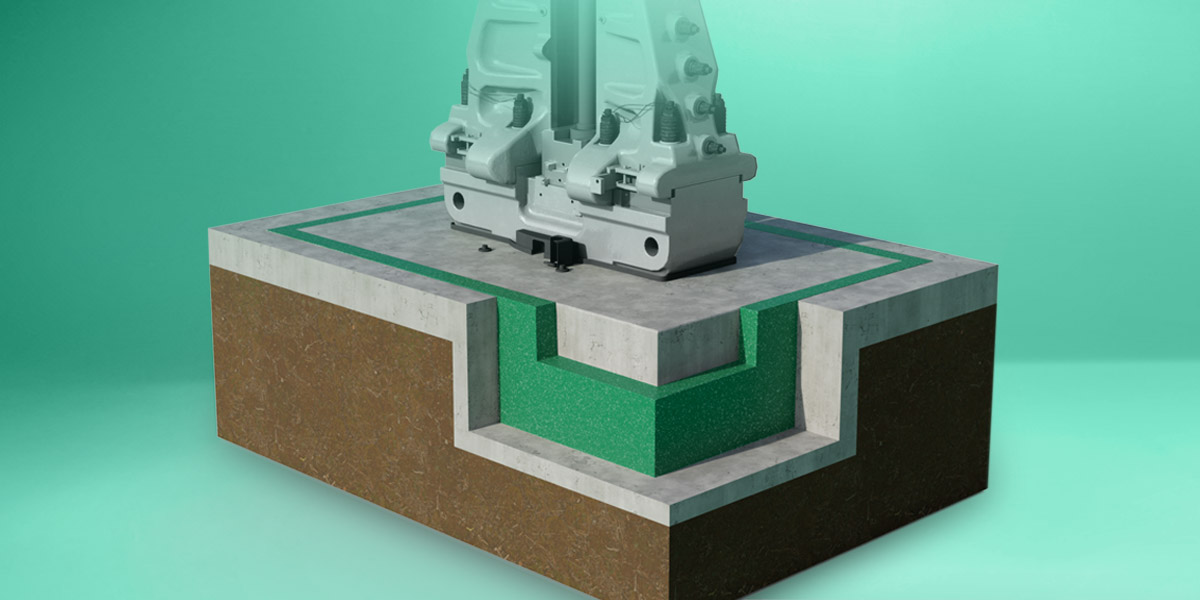
FOUNDATION PLINTHS OR BEAMS INSULATION
a more targeted solution, ideal when the structure rests on distinct load-bearing elements. It acts directly on the points where vibrations enter the building.
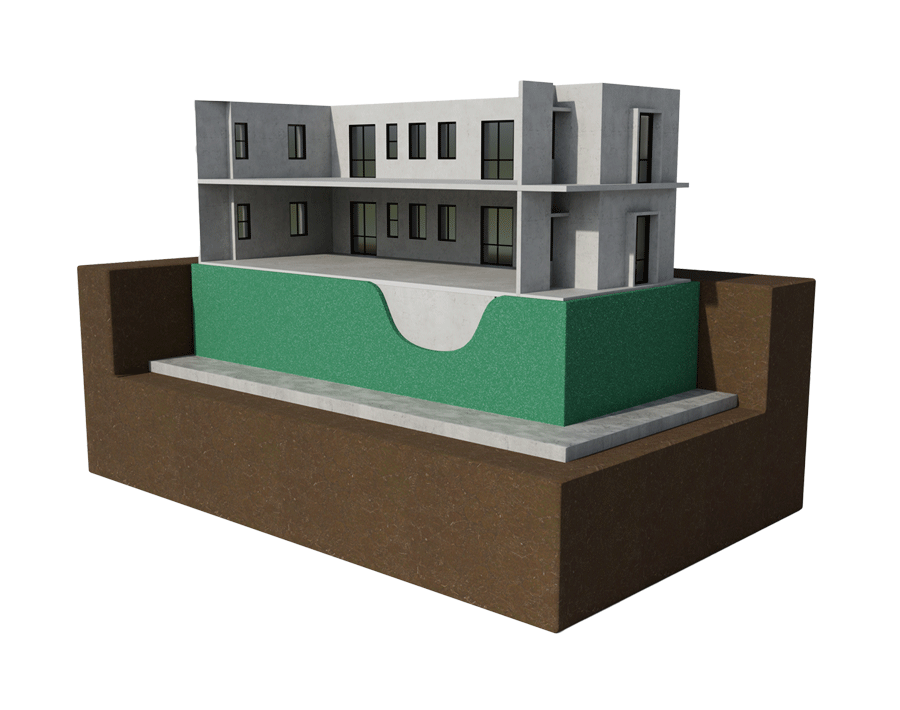
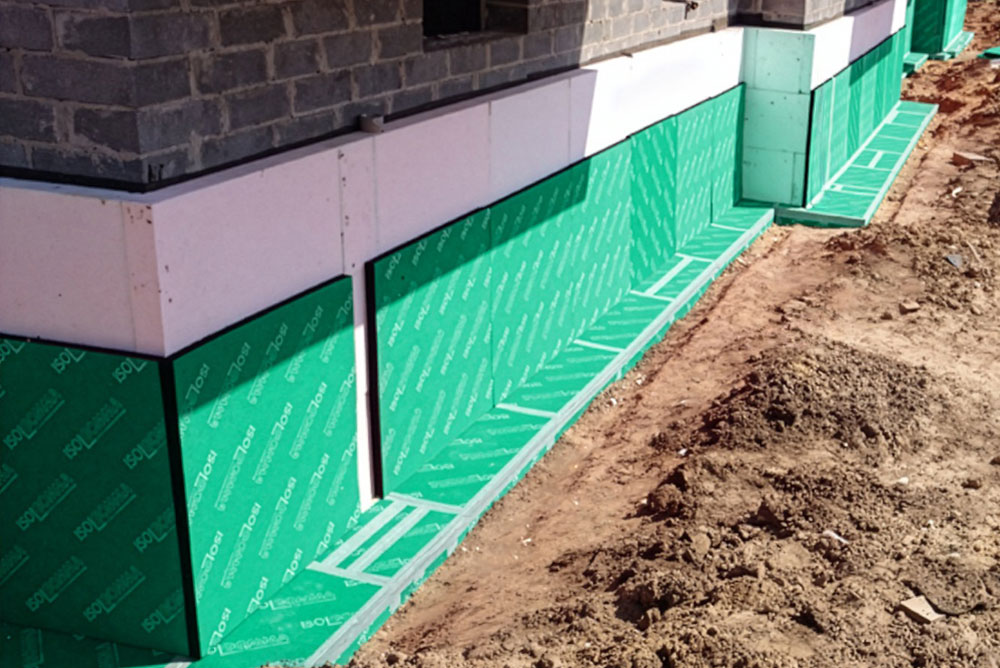
LATERAL FOUNDATION INSULATION
especially useful, though not exclusively, for existing buildings or renovation projects where intervention beneath the foundation is not possible. The system works on the perimeter walls and creates a barrier against vibrations coming from the ground.
When anti-vibration systems are really needed.
Anti-vibration systems are not only for exceptional or highly specialized projects. They are useful whenever a building is located in a particularly dynamic setting. A house near a railway, an office next to a production area, or a healthcare facility close to major transport infrastructure: in all these situations, vibration control improves indoor comfort and helps protect the building over time.
Tangible benefits.
Quieter
more comfortable spaces to live in.
Reduced risk
of structural damage over time.
Improved
overall building performance.
Greater
property value.
Anti-vibration and acoustic insulation at home: how they are connected.
Vibration control and acoustic insulation at home are not the same thing, but they are closely connected. Vibrations can turn into structure-borne noise, meaning sounds that spread through walls, floors and slabs. Reducing vibrations at the source also helps improve the overall acoustic well-being of indoor spaces. That is why anti-vibration solutions also contribute to making a home feel quieter and more comfortable.
The Isolgomma method: analysis, design, installation.
Isolgomma does not offer a one-size-fits-all solution. The process starts with a preliminary study, continues with technical support to size the system correctly, and then moves on to installation assistance, ensuring that the final result is fully aligned with the project requirements. This approach matters because, in cases like these, performance depends not only on the product itself, but also on how it is designed and installed.
The right solution for your project.
Anti-vibration solutions for construction are designed to do something very concrete: make buildings better protected, more stable and more comfortable. Whether for a new building or an intervention on an existing one, choosing the right rubber anti-vibration system means addressing the issue at its root, before it turns into discomfort for people or stress for the structure.